
Inside India’s Robotics Revolution | Rise of Deep-Tech Startups Like Genrobotics
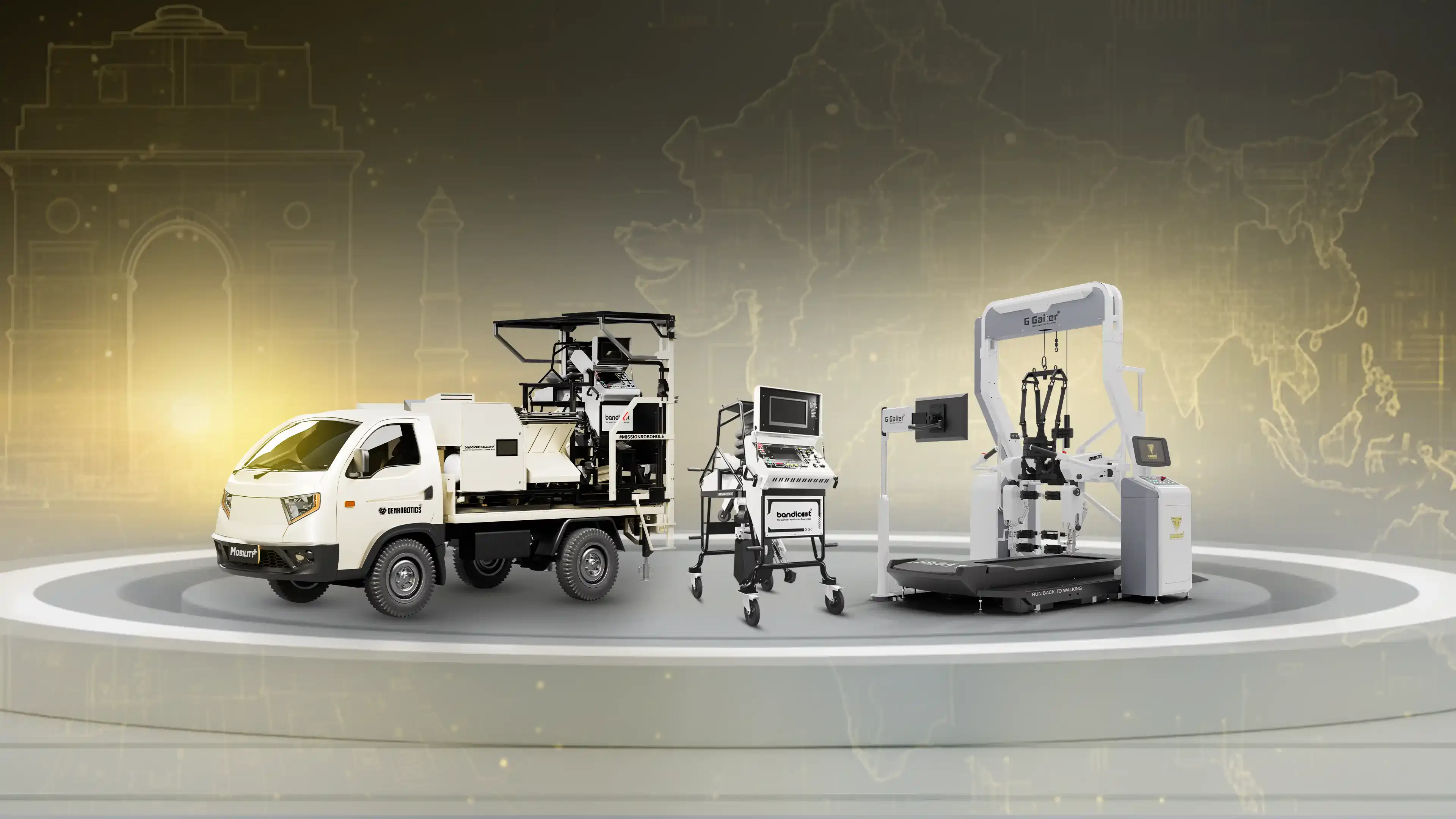
Deployment of Bandicoot Mobility+ for manhole cleaning at Ahmedabad Airport with precision that ensures zero-disruption sanitation in a critical aviation environment.
Introduction: India’s Deep-Tech Awakening
A silent revolution is reshaping India’s innovation landscape one driven not by mobile apps or e-commerce, but by robots, AI, and deep-tech engineering. Across industries, machines are taking on tasks too repetitive, risky, or complex for humans, redefining how India builds, heals, and sustains.
From sanitation robots that save lives to industrial bots optimizing factories, India’s young entrepreneurs are proving that deep-tech isn’t just the future it’s already here.
At the heart of this revolution is Genrobotics, a Kerala-based startup whose story exemplifies how Indian innovation can merge engineering precision with social compassion. Its flagship invention the Bandicoot Robot didn’t just disrupt a market; it restored dignity to thousands of sanitation workers.
This is the story of India’s deep-tech evolution and how startups like Genrobotics are powering it.
From Software to Hardware: India’s Next Leap
For decades, India was celebrated as the software capital of the world. But as global industries shift toward automation, the nation is now entering a new chapter one focused on deep-tech hardware and robotic innovation.
Unlike typical startups that rely on apps or digital services, deep-tech startups develop solutions rooted in advanced science, mechatronics, AI, and material engineering.
These startups require:
- Long R&D cycles and high technical expertise.
- Hardware prototyping infrastructure.
- Cross-disciplinary collaboration between coders, engineers, and scientists.
And yet, they offer exponential impact solving problems that affect millions, from industrial safety to sustainable cities.
“The next decade belongs to those who can build, not just code.”
India’s robotics ecosystem embodies that vision.
The Rise of the Indian Robotics Ecosystem
The Indian robotics ecosystem is witnessing explosive growth, with startups emerging across manufacturing, logistics, defense, and healthcare.
According to NASSCOM, India has over 3,000 active deep-tech startups, growing at a CAGR of nearly 20%. Robotics accounts for a major share, with the market projected to exceed USD 25 billion by 2032.
Key Growth Drivers:
- Make in India and PLI schemes: Boosting local robotics manufacturing and electronics production.
- Industry 4.0 adoption: Smart factories and automated quality control.
- AI and IoT integration: Enabling real-time monitoring and autonomous operation.
- Government innovation grants: Through programs like Atal Innovation Mission and Startup India.
This ecosystem isn’t just about technological sophistication it’s about developing indigenous solutions for uniquely Indian challenges.
And few stories capture this better than Genrobotics’ success story.
4. Genrobotics Success Story: Engineering With a Purpose
When four young engineers from Kerala saw news of deaths inside manholes, they decided to act. Their goal wasn’t to build a gadget it was to save lives.
Thus, Genrobotics was born.
Their creation, the Bandicoot Robot, became the world’s first robotic manhole cleaner a symbol of how technology can protect human dignity.
Using AI, sensors, and pneumatic actuators, Bandicoot cleans toxic sewage lines without human entry. Operators control it safely from above, while the robot’s “eyes” (cameras) and arms handle the rest.
The results have been transformative:
- Deployed across 100+ Indian cities, replacing manual scavenging.
- Adopted by municipal bodies under Swachh Bharat Abhiyan.
- Recognized globally for social innovation and safety tech.
Expanding Horizons: From Sanitation to Industry and Healthcare
After revolutionizing sanitation, Genrobotics began exploring other high-impact sectors combining innovation with inclusivity.
Industrial Robotics
Genrobotics now builds robots for confined-space inspection, tank cleaning, and hazardous maintenance. These systems prevent worker exposure to chemicals, heat, and gas leaks transforming safety standards across oil, gas, and manufacturing sectors.
Rehabilitation Robotics
The company’s healthcare division is developing robotic rehabilitation systems for stroke and spinal injury patients, integrating AI-based motion tracking and real-time feedback.
Smart Infrastructure Automation
Its R&D division focuses on AI-driven robotic crawlers for pipeline maintenance, industrial inspections, and civic infrastructure management.
Every Genrobotics solution follows a simple philosophy:
“If it risks a human life, it’s a job for a robot.”
What Makes Deep-Tech Startups Unique
Deep-tech ventures differ from typical startups in several ways:
India’s deep-tech founders like those at Genrobotics are driven by purpose, persistence, and problem-solving, often blending engineering with empathy.
Policy, Academia, and Investment: A Powerful Triad
India’s robotics rise is powered by collaboration across three pillars:
a. Policy Support
Government initiatives such as Digital India, Smart Cities Mission, and Deep-Tech Policy 2025 provide funding, infrastructure, and regulatory backing.
b. Academic Partnership
Institutions like Government Polytechnic College, Palakkad, Ahalia School of Engineering & Technology, and Ilahia College of Arts and Science, Muvattupuzha are partnering with startups for R&D, creating testbeds, and innovation hubs.
c. Investor Confidence
Venture capitalists are increasingly investing in hardware and robotics, recognizing their long-term potential.
In 2023 alone, over USD 1 billion was invested in Indian deep-tech startups. Investors now view robotics as a critical enabler of Industry 4.0 and sustainable infrastructure.
Challenges in India’s Deep-Tech Journey
While India’s momentum is strong, challenges remain:
- High hardware import costs for sensors and components.
- Limited prototyping infrastructure in early stages.
- Talent shortages in robotics integration and AI control systems.
- Conservative industry adoption, especially among SMEs.
However, these challenges are opportunities in disguise encouraging India to build its own deep-tech supply chain, strengthen STEM education, and create robotics manufacturing clusters.
The Global Outlook: India as the Next Robotics Powerhouse
India’s robotics startups are no longer playing catch-up they’re setting global benchmarks.
- Export potential: Indian-designed robots are being adopted in Asia, the Middle East, and Africa.
- Collaborations: Startups are partnering with global giants for defense, healthcare, and industrial robotics.
- Recognition: The Bandicoot Robot and similar innovations have won awards for sustainability and humanitarian technology.
With its unique blend of affordability, resilience, and ethics, India is positioned to become the world’s hub for accessible, human-first robotics.
The Future: Robots for Every Industry
Over the next decade, robotics will transform every sector in India:
- Manufacturing: Smart factories powered by collaborative robots (cobots).
- Healthcare: Robotic surgeries, telemedicine, and rehab tech.
- Agriculture: AI-driven harvesters and soil-monitoring drones.
- Defense: Autonomous vehicles for surveillance and logistics.
- Public Safety: Disaster-response and sanitation robots ensuring zero-risk operations.
And at the core of this transformation will be startups like Genrobotics, turning Indian innovation into global inspiration.
Conclusion: Engineering the Future With Purpose
The rise of robotics startups in India marks a defining moment in the nation’s evolution from service provider to deep-tech creator.
Startups like Genrobotics are not just building machines; they’re building hope proving that technology can be ethical, inclusive, and transformative.
As India steps into its deep-tech decade, its innovators are showing the world that the greatest revolutions don’t begin in factories they begin with compassion, courage, and a vision to make life safer for all.
“India’s robotics revolution isn’t about replacing humans it’s about protecting them.”
Related Blogs
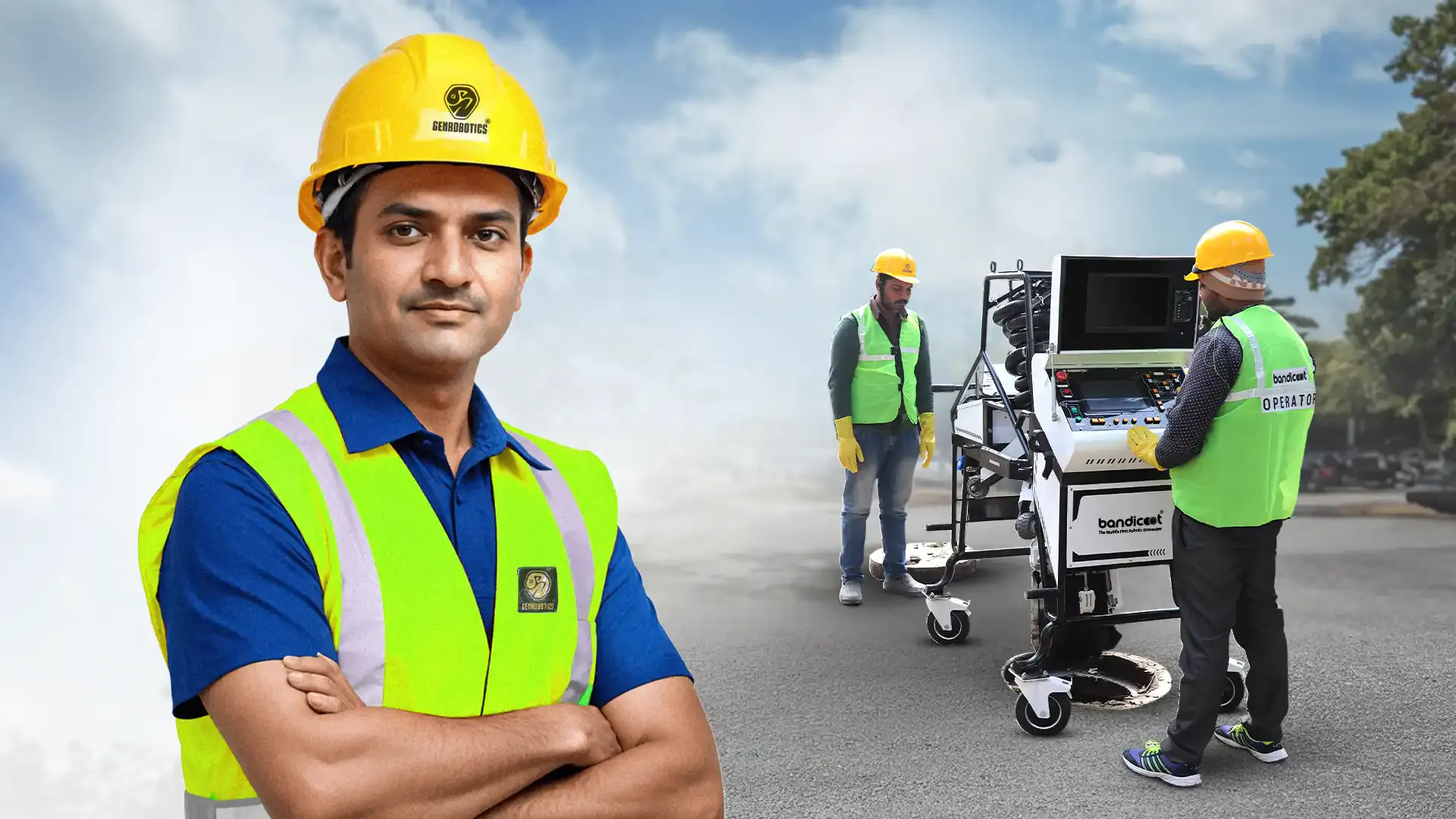
How India’s Robotics Startups Are Driving the Future of Automation and Workforce Upskilling
India is entering a new era of technological acceleration, one powered by artificial intelligence, automation, and deep tech innovation. Among the most influential players in this transformation are robotics startups in India, which are redefining how industries operate, how cities function, and how people work.
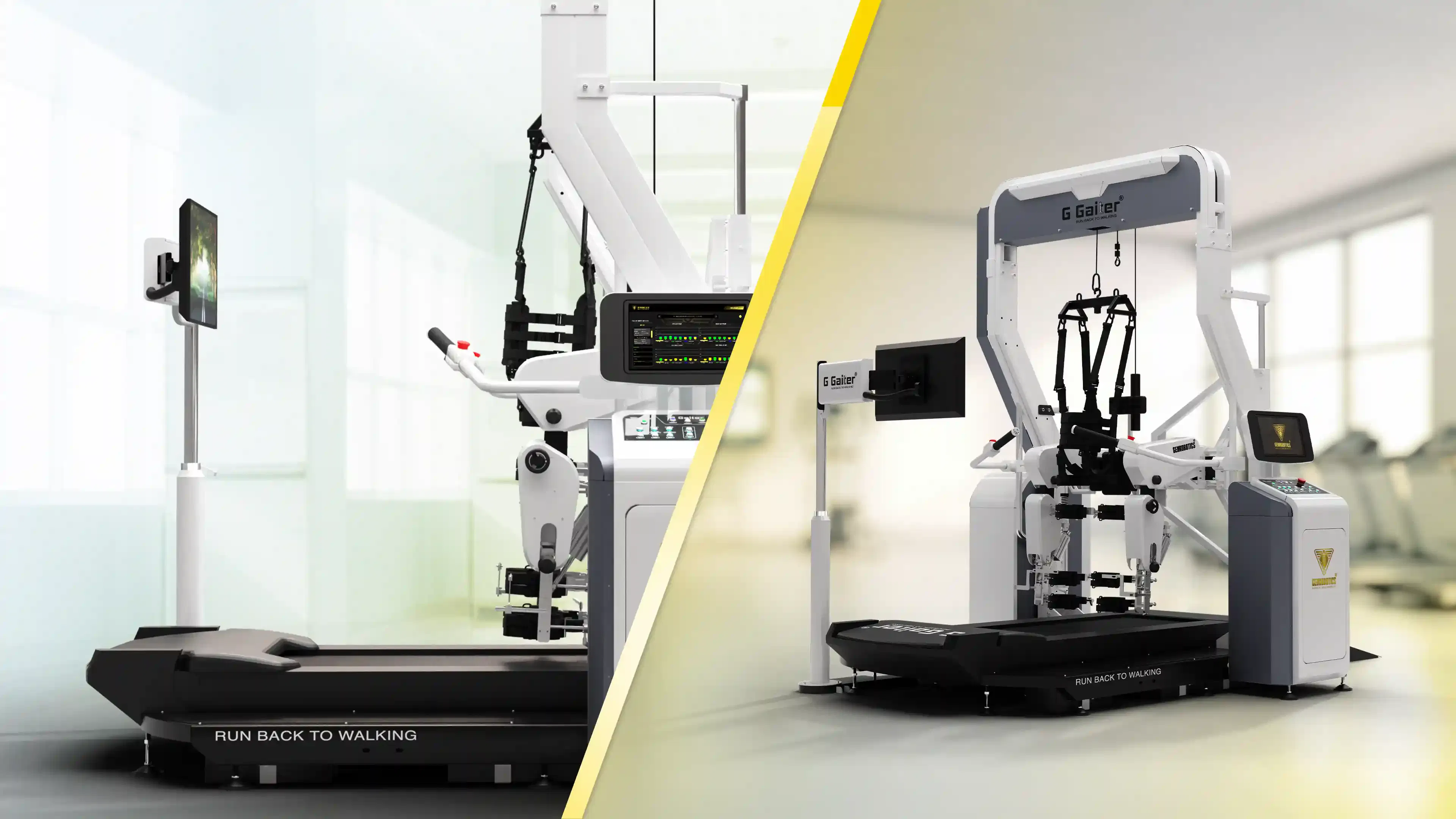
The Next Decade of Robotics in India, From Industry to Medical and Rehabilitation Technologies
Robotics is undergoing a global transformation, evolving from mechanical tools to intelligent collaborators that build, assist, and heal. What began as industrial automation has now entered hospitals, rehabilitation centers, and clinical environments.
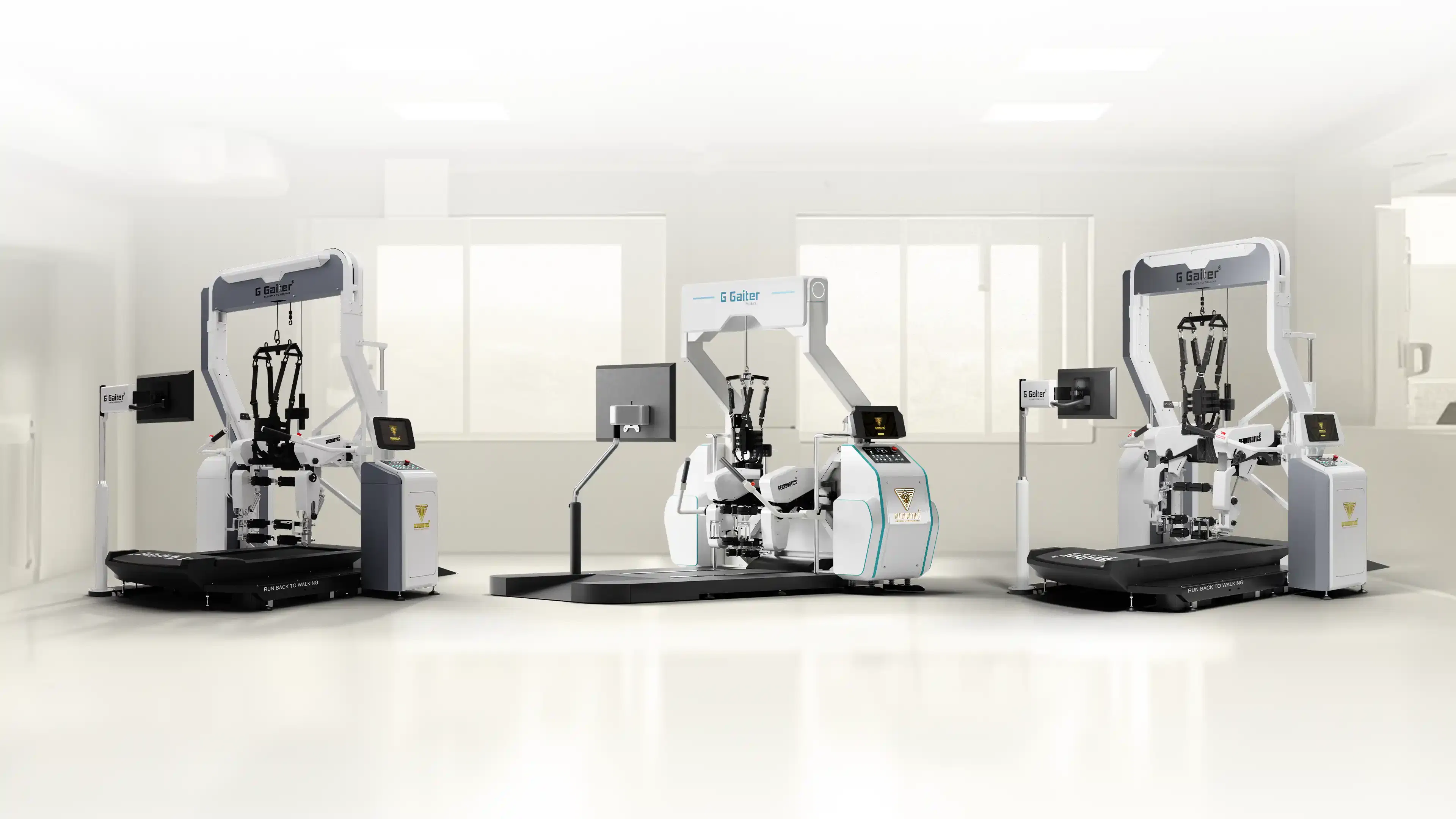
How PMR Robotics and the G Gaiter Are Redefining Precision Healthcare in India
Traditional physiotherapy and manual rehabilitation infrastructure often struggle to meet this surge especially in semi‑urban and rural areas.