
Robotics Startups in India Using AI and Automation
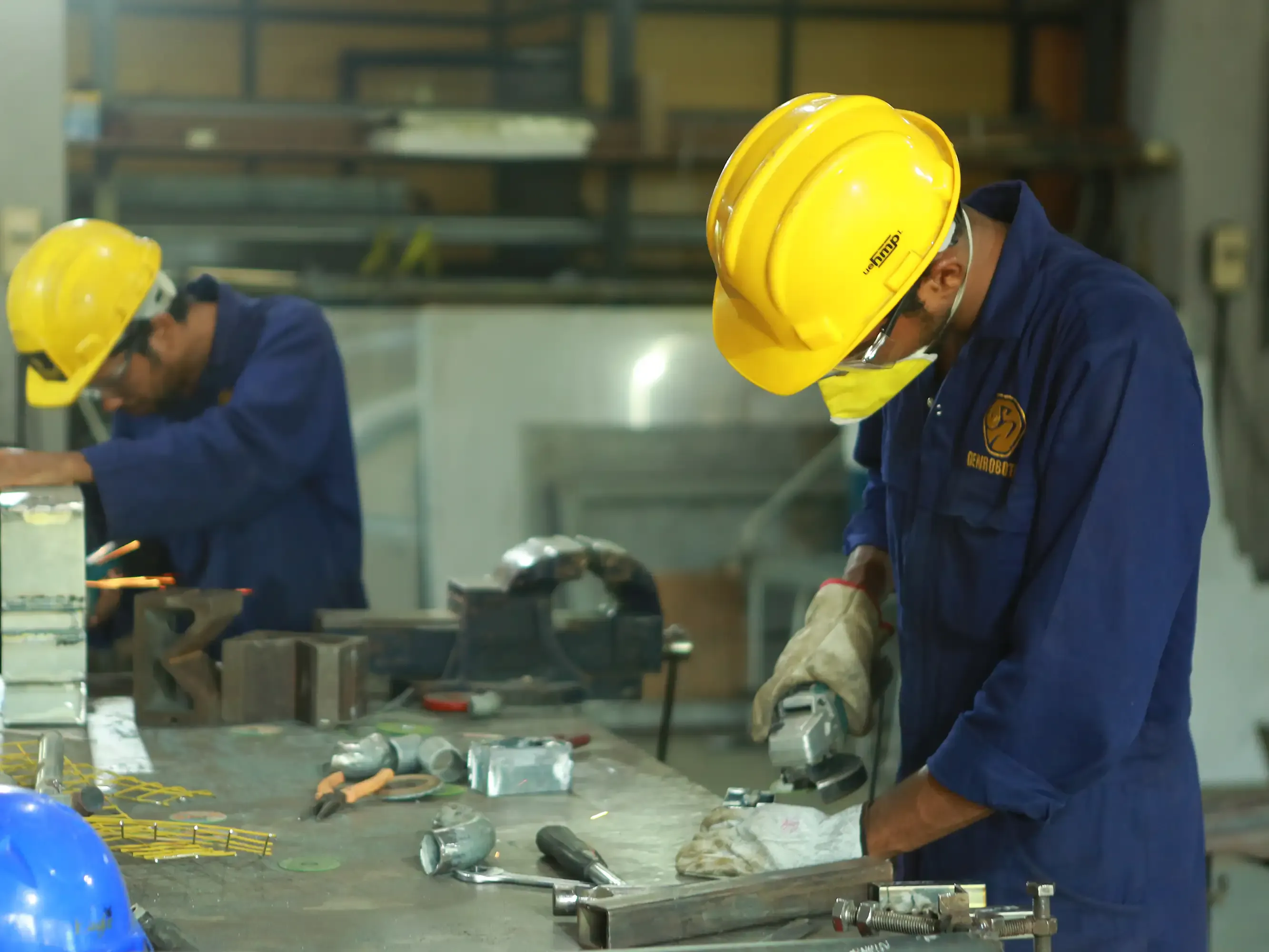
India’s startup ecosystem is evolving beyond software platforms and digital applications. A new generation of founders is building technologies that interact directly with the physical world. This shift has led to the rise of the robotics startup India ecosystem, where engineers and innovators are developing machines designed to solve real industrial and societal problems.
Introduction: The Rise of the Robotics Startup India Ecosystem
India’s startup ecosystem is evolving beyond software platforms and digital applications. A new generation of founders is building technologies that interact directly with the physical world. This shift has led to the rise of the robotics startup India ecosystem, where engineers and innovators are developing machines designed to solve real industrial and societal problems.
These companies belong to a growing category known as a deep tech startup. Unlike traditional technology ventures, deep tech startups rely on advanced engineering, robotics, artificial intelligence, and hardware innovation to address complex challenges across industries.
This article explores how robotics startups in India are transforming industries, improving safety in hazardous environments, and redefining the role of automation in sectors such as sanitation, healthcare, and infrastructure.
What Is a Robotics Startup in India?
A robotics startup in India is a company that designs and deploys robotic systems to automate complex or hazardous tasks. These startups typically operate within the deep tech startup ecosystem, combining hardware engineering, AI technologies, and real-world deployment strategies.
In simple terms, robotics startups build machines that can perform tasks traditionally done by humans, especially in environments that are dangerous, inefficient, or physically demanding.
Key Technologies Used by Robotics Startups
Most robotics startups integrate multiple technologies to build intelligent machines:
- Artificial intelligence and machine learning
- Advanced mechanical and electrical engineering
- Sensors and perception systems
- Embedded software and control systems
- Computer vision technologies
- Human-machine interaction systems
Because these machines operate in real-world environments, reliability and safety are critical design priorities.
Why Are Robotics Startups Growing in India?
India’s robotics innovation landscape has expanded rapidly over the past decade. Earlier, robotics research was mostly limited to universities and manufacturing automation labs.
Today, the ecosystem includes dozens of startups developing robotics solutions across multiple industries.
Factors Driving Robotics Innovation in India
Several trends are accelerating the growth of robotics startups in India:
- Expansion of the deep tech startup ecosystem
- Government support through innovation initiatives
- Increasing demand for automation in industries
- Rising awareness around workplace safety
- Availability of highly skilled engineering talent
These factors have created strong momentum for robotics innovation across the country.
How Are Robotics Startups Transforming Industrial Safety?
One of the most significant contributions of robotics innovation is improving safety in hazardous environments.
A robotics startup transforming industrial safety focuses on eliminating the need for workers to enter dangerous locations such as confined industrial spaces, toxic environments, or unstable infrastructure zones.
Common Industrial Risks Addressed by Robotics
Robotics systems help reduce risks in environments such as:
- Oil and gas facilities
- Chemical processing plants
- Industrial tanks and confined vessels
- Underground drainage systems
- Hazardous manufacturing zones
Instead of sending workers into these environments, robots perform inspection, cleaning, and monitoring tasks.
Examples of Robotics Applications in Industrial Safety
Robotic systems can perform several high-risk operations safely:
- Tank and vessel cleaning
- Pipeline inspection and monitoring
- Confined-space inspections
- Handling toxic or corrosive materials
- Monitoring hazardous industrial zones
By automating these tasks, robotics startups are significantly reducing workplace accidents and improving compliance with safety standards.
How Robotics Is Solving Sanitation Challenges
Sanitation infrastructure has historically relied on hazardous manual labor. Workers often entered sewer lines and underground pipelines to remove blockages or conduct inspections.
Robotics innovation has begun transforming this sector.
Key Sanitation Tasks Automated by Robotics
Robotic sanitation systems can perform operations such as:
- Breaking hardened blockages inside sewer pipelines
- Removing sludge and accumulated waste
- Inspecting underground drainage networks
- Detecting toxic gases before human entry
- Cleaning and maintaining sewer infrastructure
These technologies not only improve operational efficiency but also enhance worker safety and dignity.
This transformation is one of the most visible examples of a robotics startup transforming industrial safety.
How Robotics Is Transforming Healthcare and Rehabilitation
Another sector benefiting from robotics innovation is healthcare.
Robotics systems are increasingly used in rehabilitation environments where patients require precise and repetitive therapy movements.
Applications of Robotics in Healthcare
Rehabilitation robotics systems assist with:
- Gait training for stroke patients
- Recovery from spinal cord injuries
- Mobility therapy for elderly patients
- Rehabilitation for neurological conditions
These robotic systems combine sensors, biomechanics, and intelligent control algorithms to guide patients through structured therapy.
Why Robotics Improves Rehabilitation Outcomes
Robotics improves rehabilitation therapy in several ways:
- Provides consistent and repeatable therapy sessions
- Enables precise monitoring of patient movement
- Helps therapists personalize treatment programs
- Supports high-intensity therapy sessions
In this environment, robots function as collaborative tools that assist medical professionals rather than replace them.
How Robotics Supports Urban Infrastructure Management
Cities rely on complex infrastructure systems that often operate out of sight. Drainage networks, waste management pipelines, and underground utilities are difficult to monitor manually.
Robotics technology helps engineers inspect and maintain these systems more effectively.
Infrastructure Challenges Solved by Robotics
Robotics systems assist cities by enabling:
- Early detection of drainage blockages
- Prevention of urban flooding
- Monitoring of underground pipeline conditions
- Identification of structural damage in infrastructure
- Improved waste flow management
This shift allows city authorities to move from reactive repairs to predictive infrastructure maintenance.
What Technologies Power Modern Robotics Startups?
Behind every robotics solution is a sophisticated ecosystem of technologies working together.
Artificial Intelligence
AI systems analyze data collected by robots and identify patterns that signal potential risks or system failures.
Computer Vision
Computer vision enables robots to interpret visual data captured by cameras operating in difficult environments such as dark pipelines or confined industrial spaces.
Autonomous Navigation
Navigation algorithms allow robots to move safely through complex environments without constant human control.
Cloud Monitoring Platforms
Robotics systems transmit operational data to cloud platforms where engineers can monitor performance and plan maintenance activities.
Together, these technologies allow robotics systems to operate intelligently and safely across multiple industries.
Why Startups Are Driving Robotics Innovation
Large corporations often struggle to adopt emerging technologies quickly because they rely on established systems and operational processes.
Startups, however, operate with greater flexibility.
Advantages of Robotics Startups
Robotics startups typically benefit from:
- Faster experimentation cycles
- Focus on solving specific real-world problems
- Strong collaboration with research institutions
- Ability to design solutions tailored for local environments
- Lean engineering teams capable of rapid iteration
Because of this agility, startups often introduce robotics solutions in areas where traditional systems are too slow to evolve.
What Challenges Do Robotics Startups Face?
Despite rapid growth, robotics startups in India still face several challenges.
Key Challenges in the Robotics Ecosystem
Common obstacles include:
- High hardware development costs
- Limited availability of specialized robotics talent
- Complex regulatory and certification requirements
- Infrastructure variability across regions
However, overcoming these challenges often leads to stronger and more resilient technologies.
What Is the Future of Robotics Startups in India?
The future of robotics innovation in India is promising.
As automation technologies evolve, robotics startups are expected to expand into additional sectors such as:
- Smart city infrastructure systems
- Agricultural robotics and environmental monitoring
- Industrial automation and manufacturing
- Public safety and disaster response
India’s deep tech startup ecosystem is likely to become a global hub for robotics innovation as engineering talent and infrastructure investment continue to grow.
Conclusion: Why Robotics Startups Matter for the Future
Robotics startups in India are addressing challenges that have existed for decades. Through deep tech innovation, these companies are improving worker safety, strengthening infrastructure management, and expanding the possibilities of automation.
A robotics startup in India is not simply building machines. It is building systems that protect workers, improve operational efficiency, and help industries operate more safely and intelligently.
As the deep tech startup ecosystem continues to expand, robotics innovators will play a critical role in shaping safer industries, smarter cities, and a more technologically advanced future.
Frequently Asked Questions
What is a robotics startup in India?
A robotics startup in India is a company that develops robotic technologies to automate tasks across industries such as manufacturing, sanitation, healthcare, and infrastructure.
What is a deep tech startup?
A deep tech startup is a technology company built on scientific research and advanced engineering innovations, often involving hardware systems such as robotics, AI, and advanced sensors.
How are robotics startups transforming industrial safety?
Robotics startups are deploying machines to perform hazardous tasks such as tank cleaning, pipeline inspection, and confined space monitoring, reducing the need for human exposure to dangerous environments.
Why is robotics innovation growing in India?
Robotics innovation is growing due to increased automation demand, government support for deep tech startups, and the availability of strong engineering talent.
What industries benefit most from robotics startups?
Industries that benefit include manufacturing, sanitation, healthcare, infrastructure maintenance, oil and gas, and environmental monitoring.